 Kids’ · KEEN
KEEN Newport H2 — Kids
View on Amazon ↗Ventilated sandal construction for wet-to-dry outings.
Consider: Openings can admit grit; confirm heel security and toe coverage.
Closed-toe water shoes cover the front of the foot, but the amount of protection varies considerably. Thin fabric, a molded rubber bumper, and a substantial enclosed upper are different constructions. Compare the coverage you need for rocks or debris with the ventilation and flexibility you want while walking.
Read the full buying guide ↓As an Amazon Associate, we may earn from qualifying purchases.
Compare styles here, then select the exact size and color on Amazon. Availability and sellers can change.
Kids’ · KEENVentilated sandal construction for wet-to-dry outings.
Consider: Openings can admit grit; confirm heel security and toe coverage.
 Men’s · ALEADER
Covered water footwear to compare for the activities listed below.
Consider: Check the model’s size chart, closure and outsole before choosing.
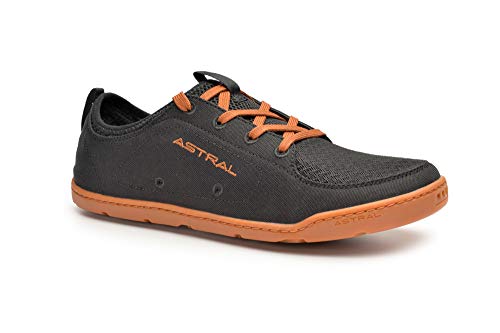 Men’s · Astral
Low-profile water sneaker for paddling and shore use.
Consider: Less cushioning than a structured walking shoe.
 Adult unisex · Water footwear
Covered water footwear to compare for the activities listed below.
Consider: Check the model’s size chart, closure and outsole before choosing.
Unisex listing: check the men’s/women’s size conversion on Amazon.
 Adult unisex · SITAILE
Covered water footwear to compare for the activities listed below.
Consider: Check the model’s size chart, closure and outsole before choosing.
Unisex listing: check the men’s/women’s size conversion on Amazon.
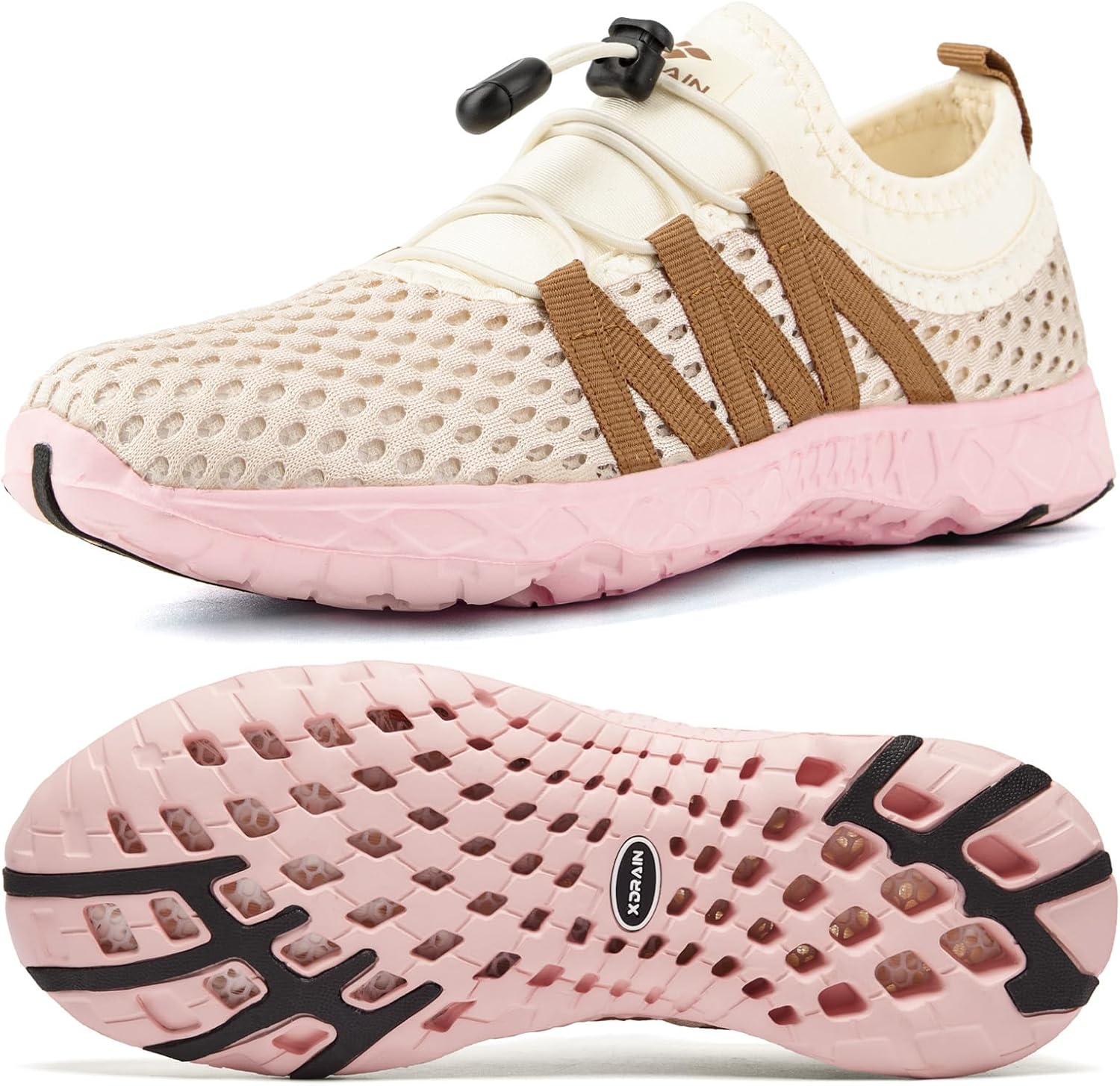 Women’s · ALEADER
Covered water footwear to compare for the activities listed below.
Consider: Check the model’s size chart, closure and outsole before choosing.
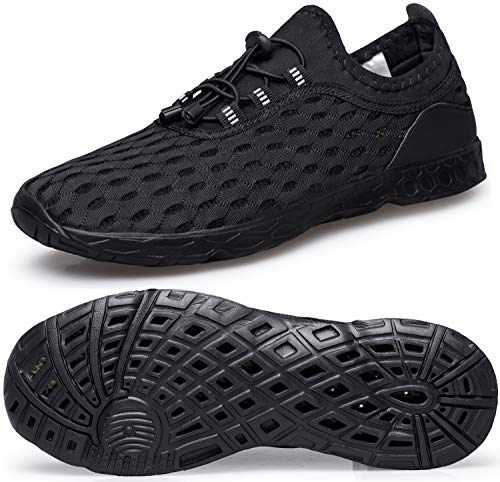 Women’s · DOUSSPRT
Covered water footwear to compare for the activities listed below.
Consider: Check the model’s size chart, closure and outsole before choosing.
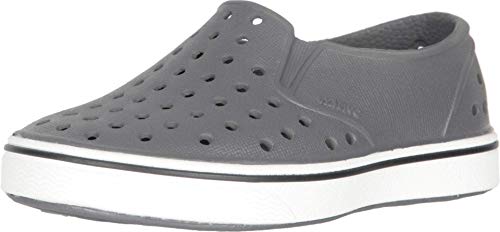 Kids’ · Native Shoes
Covered water footwear to compare for the activities listed below.
Consider: Check the model’s size chart, closure and outsole before choosing.
 Women’s · Speedo
Covered water footwear to compare for the activities listed below.
Consider: Check the model’s size chart, closure and outsole before choosing.
 Women’s · Body Glove
Covered water footwear to compare for the activities listed below.
Consider: Check the model’s size chart, closure and outsole before choosing.
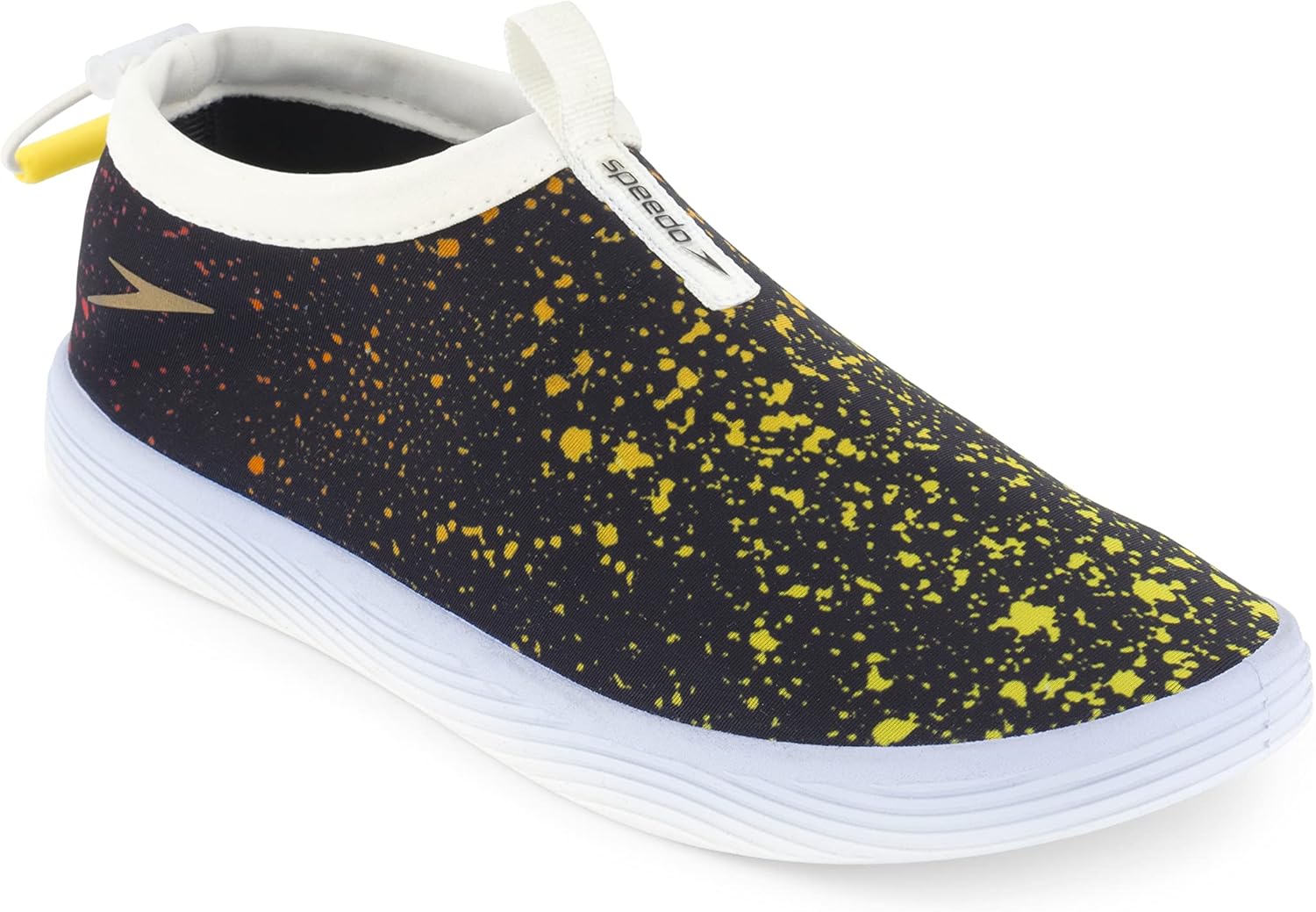 Women’s · Speedo
Covered water footwear to compare for the activities listed below.
Consider: Check the model’s size chart, closure and outsole before choosing.
 Adult unisex · Generic
Covered water footwear to compare for the activities listed below.
Consider: Check the model’s size chart, closure and outsole before choosing.
Unisex listing: check the men’s/women’s size conversion on Amazon.
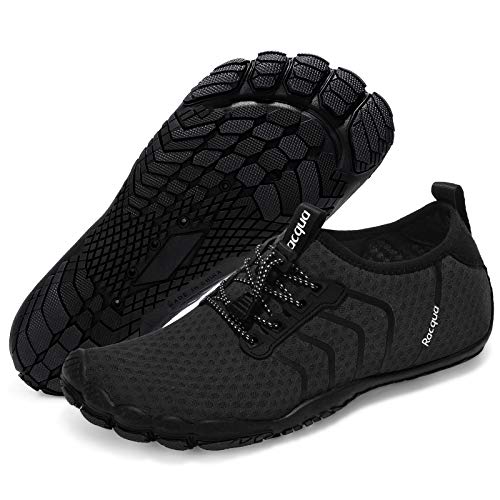 Adult unisex · Racqua
Covered water footwear to compare for the activities listed below.
Consider: Check the model’s size chart, closure and outsole before choosing.
Unisex listing: check the men’s/women’s size conversion on Amazon.
 Men’s · Xero Shoes
Minimalist amphibious shoe for shoppers who already prefer a flexible, low-profile sole.
Consider: Not a cushioned substitute for a hiking boot.
 Kids’ · KEEN
Ventilated sandal construction for wet-to-dry outings.
Consider: Openings can admit grit; confirm heel security and toe coverage.
 Adult unisex · SEEKWAY
Covered water footwear to compare for the activities listed below.
Consider: Check the model’s size chart, closure and outsole before choosing.
Unisex listing: check the men’s/women’s size conversion on Amazon.
 Kids’ · ChayChax
Ventilated sandal construction for wet-to-dry outings.
Consider: Openings can admit grit; confirm heel security and toe coverage.
 Kids’ · Stelle
Covered water footwear to compare for the activities listed below.
Consider: Check the model’s size chart, closure and outsole before choosing.
 Kids’ · Native Shoes
Covered water footwear to compare for the activities listed below.
Consider: Check the model’s size chart, closure and outsole before choosing.
 Adult unisex · Astral
Lace-up water sneaker to compare for paddling and wet approaches.
Consider: Confirm the listing’s adult size conversion before ordering.
Unisex listing: check the men’s/women’s size conversion on Amazon.
 Kids’ · Stelle
Ventilated sandal construction for wet-to-dry outings.
Consider: Openings can admit grit; confirm heel security and toe coverage.
 Kids’ · SEEKWAY
Covered water footwear to compare for the activities listed below.
Consider: Check the model’s size chart, closure and outsole before choosing.
 Women’s · Dannto
Ventilated sandal construction for wet-to-dry outings.
Consider: Openings can admit grit; confirm heel security and toe coverage.
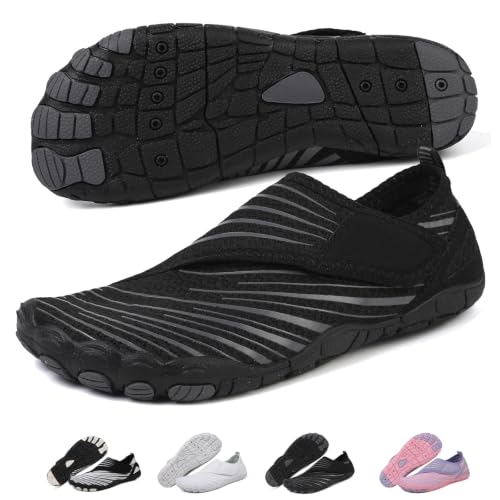 Adult unisex · Biurnyx
Covered water footwear to compare for the activities listed below.
Consider: Check the model’s size chart, closure and outsole before choosing.
Unisex listing: check the men’s/women’s size conversion on Amazon.
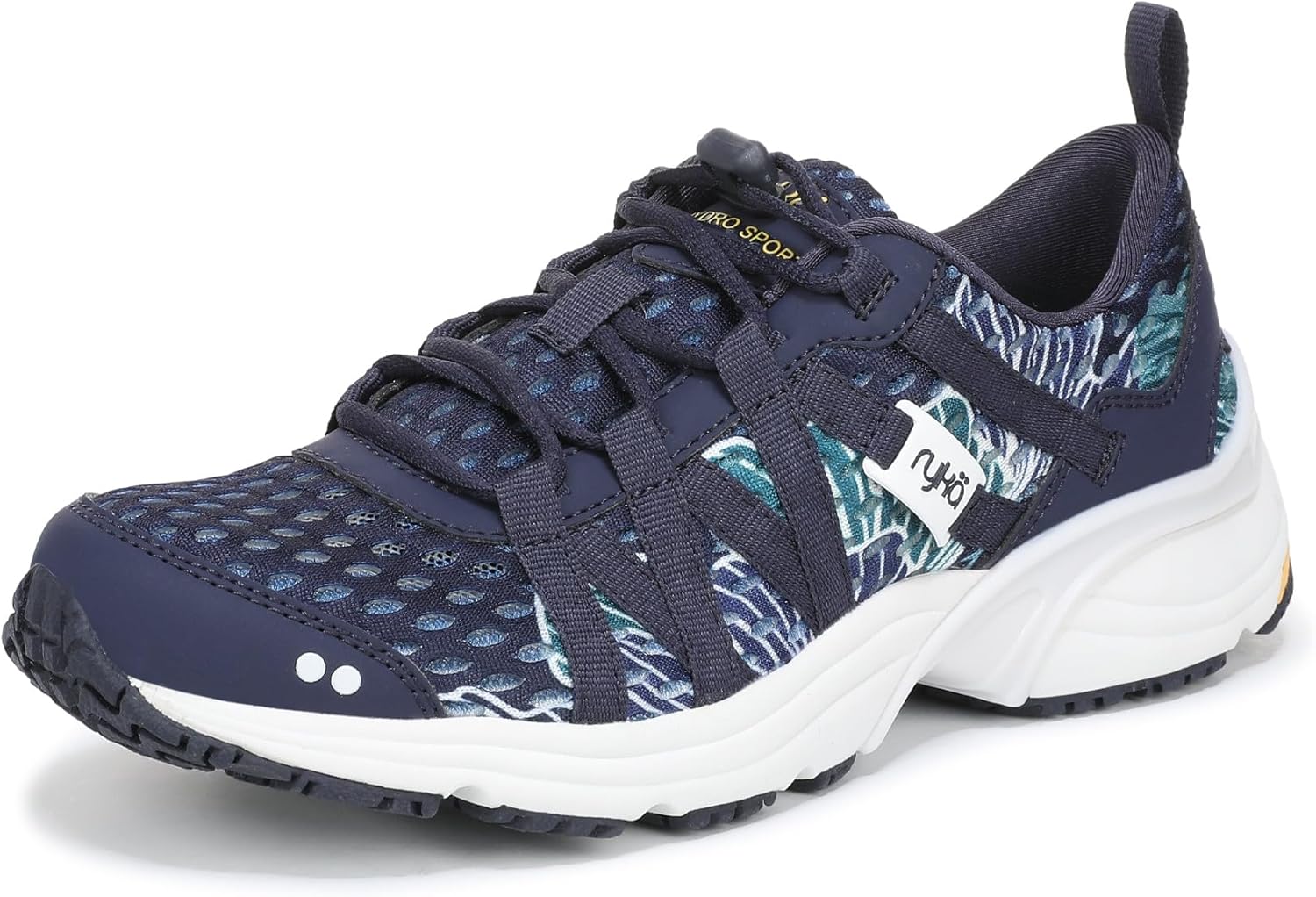 Women’s · Ryka
Water-fitness trainer to compare for pool classes that involve stepping and lateral movement.
Consider: More shoe than a thin swim sock; check class rules and your preferred level of structure.
 Women’s · Astral
Women’s water sneaker for paddling trips that include walking to the launch.
Consider: Check the women’s size chart rather than copying a size from the men’s Brewer.
 Women’s · Columbia
Fishing-oriented footwear for time on the boat and at the dock.
Consider: Choose a lower-bulk design if sustained swimming is the main activity.
 Women’s · Vibram
Five-toe amphibious design for shoppers who prefer individual toe pockets and a minimal feel.
Consider: Each toe must fit its pocket; this shape will not suit every foot.
 Women’s · Merrell
Molded, open-vent water shoe for easy shore access and campsite wear.
Consider: Check heel retention carefully; a loose clog is not a technical paddling shoe.
 Women’s · DLGJPA
Women’s mesh water sneaker for casual pool, beach and vacation use.
Consider: Inspect the drainage openings and fit before using it on rough ground.
 Men’s · Columbia
Drainage-oriented water sneaker for beach outings and short wet-to-dry walks.
Consider: A water sneaker is not automatically suitable for slippery rock or a demanding trail.
 Men’s · Body Glove
Water sneaker with a reinforced toe area to compare for beach launches and kayaking.
Consider: Try its bulk in your boat’s foot space before a long outing.
 Men’s · Speedo
Men’s slip-on water shoe for pool visits and sandy beach days.
Consider: Choose more underfoot protection for sharp stones or a long approach.
 Men’s · Speedo
Knit water shoe offering a different upper construction from the Tidal Cruiser.
Consider: Flexible uppers need a snug, comfortable heel fit to avoid movement when wet.
 Men’s · Columbia
Boat and fishing shoe for anglers who spend more time on deck than swimming.
Consider: Prioritize a swimming-specific design if low drag in the water matters most.
Men’s · MerrellMen’s molded water clog for shore, camp and quick changes.
Consider: A slip-on clog should not be the default choice for current or uneven river walking.
Men’s · DLGJPAMen’s quick-drying mesh water sneaker for casual beach and pool trips.
Consider: Check the exact listing’s measurements; fit cannot be inferred from another brand.
 Men’s · Merrell
Amphibious hiking shoe for routes that alternate dry trail and water crossings.
Consider: More structured than a swim sock; choose it for the walking portion of the trip.
Look at where reinforced material begins and how far it wraps around the front. Fabric over the toes is coverage; it is not the same as a firm bumper. Inspect the underside too, because toe coverage says little about the material between your foot and a pointed stone.
Try walking down a gentle indoor slope or stepping forward firmly during a fitting. Your toes should not repeatedly strike the front. A protective-looking cap becomes uncomfortable if the shoe is too short.
A closed-toe sandal leaves much of the foot exposed. That can make rinsing straightforward, but small stones may enter through the sides. A fully enclosed upper keeps more of the foot covered without guaranteeing that fine sand stays out.
For pebbled shores, consider whether you would rather stop to rinse an open sandal or remove an enclosed shoe. The more practical choice often depends on the debris you expect and how frequently you move in and out of the water.
A strong front bumper cannot do its job comfortably if the foot slides inside the shoe. Adjust the heel and instep so the sole follows your movement. Compare flexibility with the distance you plan to walk, and inspect the outsole for the surface you expect. Closed toes do not establish slip resistance or make a shoe suitable for every sharp object underfoot.