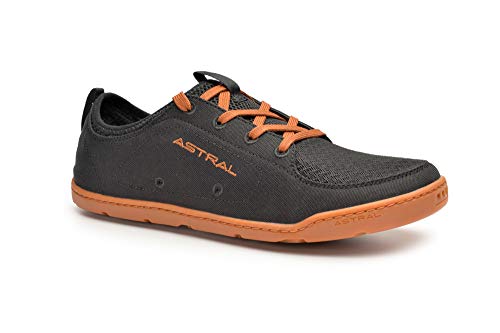
 Men’s · Astral
Astral Loyak — Men
View on Amazon ↗Low-profile water sneaker for paddling and shore use.
Consider: Less cushioning than a structured walking shoe.
Fishing footwear depends heavily on where you stand: a boat deck, a bank, and a wading route are different environments. Begin with that platform rather than the fishing label. Compare deck requirements, debris coverage, and walking comfort, and confirm when a dedicated wading setup is needed instead of ordinary water shoes.
Read the full buying guide ↓As an Amazon Associate, we may earn from qualifying purchases.
Compare styles here, then select the exact size and color on Amazon. Availability and sellers can change.
Men’s · AstralLow-profile water sneaker for paddling and shore use.
Consider: Less cushioning than a structured walking shoe.
 Men’s · Crocs
Ventilated sandal construction for wet-to-dry outings.
Consider: Openings can admit grit; confirm heel security and toe coverage.
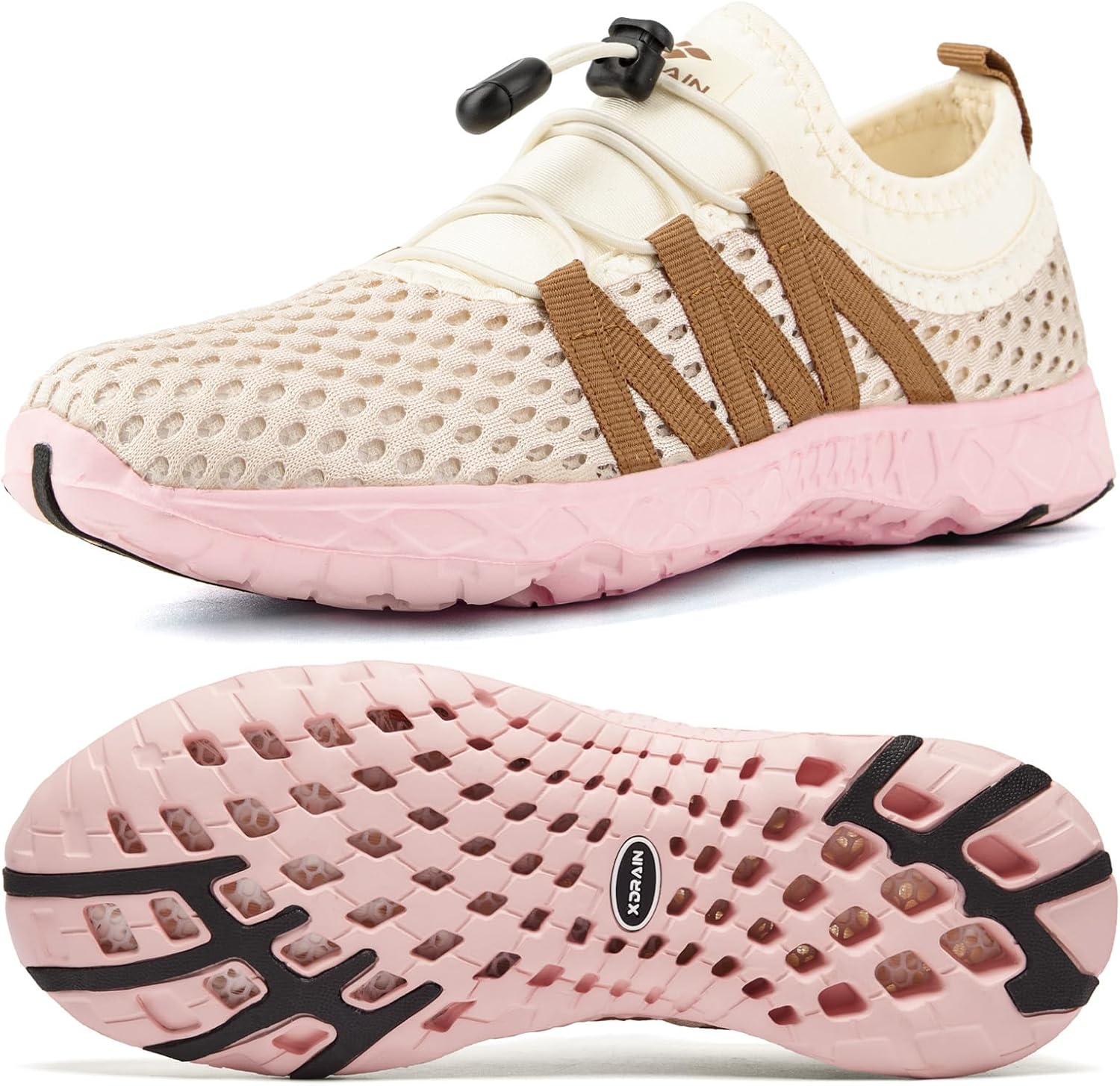 Women’s · ALEADER
Covered water footwear to compare for the activities listed below.
Consider: Check the model’s size chart, closure and outsole before choosing.
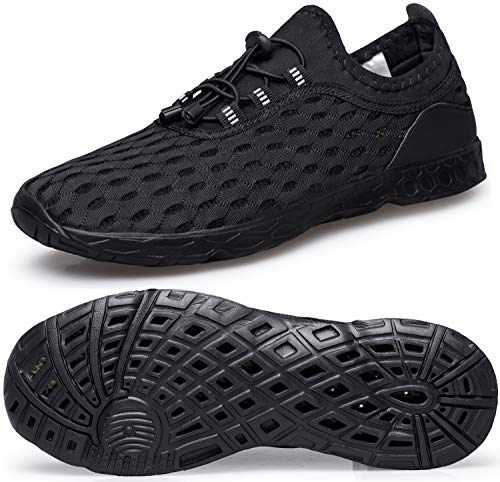 Women’s · DOUSSPRT
Covered water footwear to compare for the activities listed below.
Consider: Check the model’s size chart, closure and outsole before choosing.
 Men’s · Grundéns
Open sandal for casual deck and shoreside use.
Consider: No heel retention: exclude it from swimming and moving-water recommendations.
 Adult unisex · Astral
Lace-up water sneaker to compare for paddling and wet approaches.
Consider: Confirm the listing’s adult size conversion before ordering.
Unisex listing: check the men’s/women’s size conversion on Amazon.
 Women’s · Columbia
Fishing-oriented footwear for time on the boat and at the dock.
Consider: Choose a lower-bulk design if sustained swimming is the main activity.
 Men’s · Columbia
Boat and fishing shoe for anglers who spend more time on deck than swimming.
Consider: Prioritize a swimming-specific design if low drag in the water matters most.
For boat use, ask about sole requirements and inspect heel retention for boarding and moving around the deck. For bank fishing, think about the walk in, loose material, and how long you will stand. One pair may cover both, but the tradeoff should be deliberate.
If the outing involves wading, seek location-specific advice on appropriate equipment and conditions. A low water shoe is not a substitute for assessing depth, current, or the footing.
Check the fit with the socks or other layers you intend to wear. Wading-related footwear can be sized and designed around equipment that differs from everyday bare-foot use, so read the specific manufacturer’s instructions.
Do not squeeze extra layers into a shoe that already fits closely. Equally, avoid buying so much room that your foot shifts when you use the shoe without those layers. The complete setup should make sense for the outing.
Before leaving, inspect closures, sole attachment, and the interior for grit. Afterward, follow local equipment-cleaning guidance as well as the shoe’s care instructions, particularly when moving between waterways. Allow enough time for drying and inspection. For a full day on your feet, favor a fit you have already tried over an unfamiliar pair bought only because the listing describes it as fishing footwear.