 Kids’ · KEEN
KEEN Newport H2 — Kids
View on Amazon ↗Ventilated sandal construction for wet-to-dry outings.
Consider: Openings can admit grit; confirm heel security and toe coverage.
Kayaking shoes need to fit the boat as well as your feet. Compare low-bulk shapes for the cockpit with enough sole for launching and landing. The right option depends on the kayak, expected shore terrain, and any clothing system you use, so check those constraints before choosing a general-purpose water shoe.
Read the full buying guide ↓As an Amazon Associate, we may earn from qualifying purchases.
Compare styles here, then select the exact size and color on Amazon. Availability and sellers can change.
Kids’ · KEENVentilated sandal construction for wet-to-dry outings.
Consider: Openings can admit grit; confirm heel security and toe coverage.
 Men’s · ALEADER
Covered water footwear to compare for the activities listed below.
Consider: Check the model’s size chart, closure and outsole before choosing.
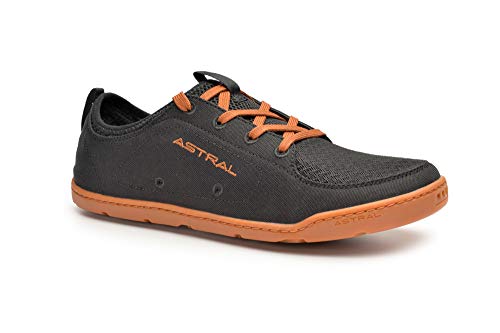 Men’s · Astral
Low-profile water sneaker for paddling and shore use.
Consider: Less cushioning than a structured walking shoe.
 Adult unisex · SITAILE
Covered water footwear to compare for the activities listed below.
Consider: Check the model’s size chart, closure and outsole before choosing.
Unisex listing: check the men’s/women’s size conversion on Amazon.
 Men’s · KEEN
Closed-toe water sandal with adjustable retention for mixed shore and walking days.
Consider: Open sides let small stones and sand enter.
 Men’s · Xero Shoes
Minimalist amphibious shoe for shoppers who already prefer a flexible, low-profile sole.
Consider: Not a cushioned substitute for a hiking boot.
 Kids’ · KEEN
Ventilated sandal construction for wet-to-dry outings.
Consider: Openings can admit grit; confirm heel security and toe coverage.
 Adult unisex · Astral
Lace-up water sneaker to compare for paddling and wet approaches.
Consider: Confirm the listing’s adult size conversion before ordering.
Unisex listing: check the men’s/women’s size conversion on Amazon.
 Kids’ · Stelle
Ventilated sandal construction for wet-to-dry outings.
Consider: Openings can admit grit; confirm heel security and toe coverage.
 Women’s · Dannto
Ventilated sandal construction for wet-to-dry outings.
Consider: Openings can admit grit; confirm heel security and toe coverage.
 Women’s · Astral
Women’s water sneaker for paddling trips that include walking to the launch.
Consider: Check the women’s size chart rather than copying a size from the men’s Brewer.
 Women’s · Vibram
Five-toe amphibious design for shoppers who prefer individual toe pockets and a minimal feel.
Consider: Each toe must fit its pocket; this shape will not suit every foot.
 Women’s · KEEN
Closed-toe water sandal with an adjustable bungee fit and open drainage.
Consider: The open sides admit sand and small stones; stop to clear them rather than walking through rubbing.
 Men’s · KEEN
Lower-profile closed-toe sandal for walking between wet and dry surfaces.
Consider: Less enclosed than a shoe; debris can enter through the side openings.
 Men’s · Body Glove
Water sneaker with a reinforced toe area to compare for beach launches and kayaking.
Consider: Try its bulk in your boat’s foot space before a long outing.
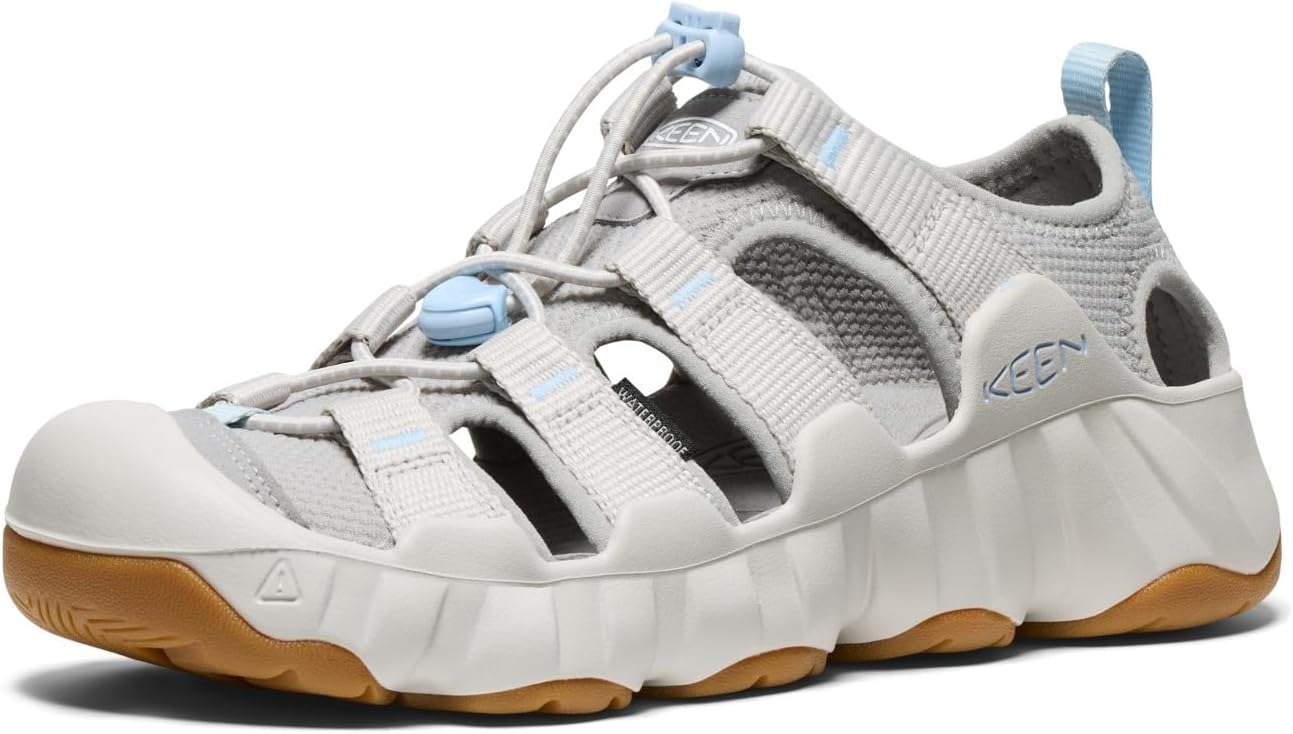 Women’s · KEEN
Women’s cushioned closed-toe water sandal for mixed walking and water days.
Consider: The substantial sandal platform takes more luggage space than an aqua sock.
 Women’s · KEEN
Women’s version of the Newport H2 with a covered toe and open sandal sides.
Consider: Use the women’s fit chart; do not assume the men’s version has the same shape.
 Women’s · KEEN
Women’s lower-profile closed-toe water sandal for shoreline walking.
Consider: Open sides simplify draining but cannot keep fine sand out.
 Men’s · Merrell
Amphibious hiking shoe for routes that alternate dry trail and water crossings.
Consider: More structured than a swim sock; choose it for the walking portion of the trip.
 Men’s · Merrell
Open-sided hiking-water design for shoppers deciding between a shoe and a sandal.
Consider: Compared with an enclosed upper, openings expose more of the foot to grit.
 Men’s · KEEN
Men’s cushioned water sandal with a covered toe for mixed shore and walking use.
Consider: Try the sole height and fit on uneven ground before committing to a longer route.
If you can, try the footwear while seated in the kayak on land under appropriate supervision. Check the intended foot position and whether the shoe feels cramped. A substantial sole or bulky toe can change the available space even when the street-shoe size is familiar.
Ask the outfitter what footwear works with its boats if you are renting. Do not assume that a shoe suitable for an open recreational boat will feel equally practical in every cockpit.
If your equipment includes socks or a drysuit with attached feet, include that bulk in the fit assessment and follow the equipment provider’s guidance. Do not guess at a size increase without considering the full setup.
An adjustable closure can help refine the fit, but it should not have unsecured ends. Make sure the shoe can be put on and removed without excessive force over the intended layers.
A thin compact shoe can fit comfortably in the boat while feeling inadequate on a stony carry to the water. Check the route from parking to launch and any planned landings. If you expect a long portage, discuss footwear with the trip organizer. Choose for the actual itinerary, and keep thermal protection decisions separate from a product’s general claim to be a water shoe.