 Men’s · ALEADER
ALEADER Quick-Drying Hiking — Men
View on Amazon ↗Covered water footwear to compare for the activities listed below.
Consider: Check the model’s size chart, closure and outsole before choosing.
Water-shoe sneakers appeal to people who want one pair for paths, errands, and occasional water entry. Their enclosed shape can feel familiar, but they are not all equivalent to everyday trainers. Compare padding, outsole construction, and drainage so the sneaker appearance does not hide a very thin or slow-drying design.
Read the full buying guide ↓As an Amazon Associate, we may earn from qualifying purchases.
Compare styles here, then select the exact size and color on Amazon. Availability and sellers can change.
Men’s · ALEADERCovered water footwear to compare for the activities listed below.
Consider: Check the model’s size chart, closure and outsole before choosing.
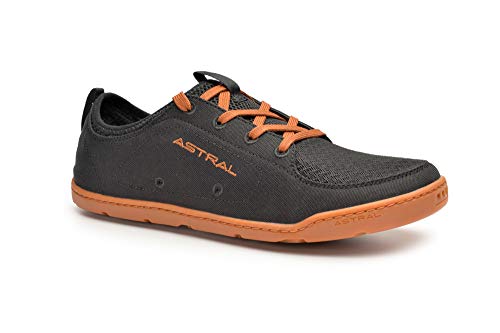 Men’s · Astral
Low-profile water sneaker for paddling and shore use.
Consider: Less cushioning than a structured walking shoe.
 Adult unisex · Water footwear
Covered water footwear to compare for the activities listed below.
Consider: Check the model’s size chart, closure and outsole before choosing.
Unisex listing: check the men’s/women’s size conversion on Amazon.
 Adult unisex · SITAILE
Covered water footwear to compare for the activities listed below.
Consider: Check the model’s size chart, closure and outsole before choosing.
Unisex listing: check the men’s/women’s size conversion on Amazon.
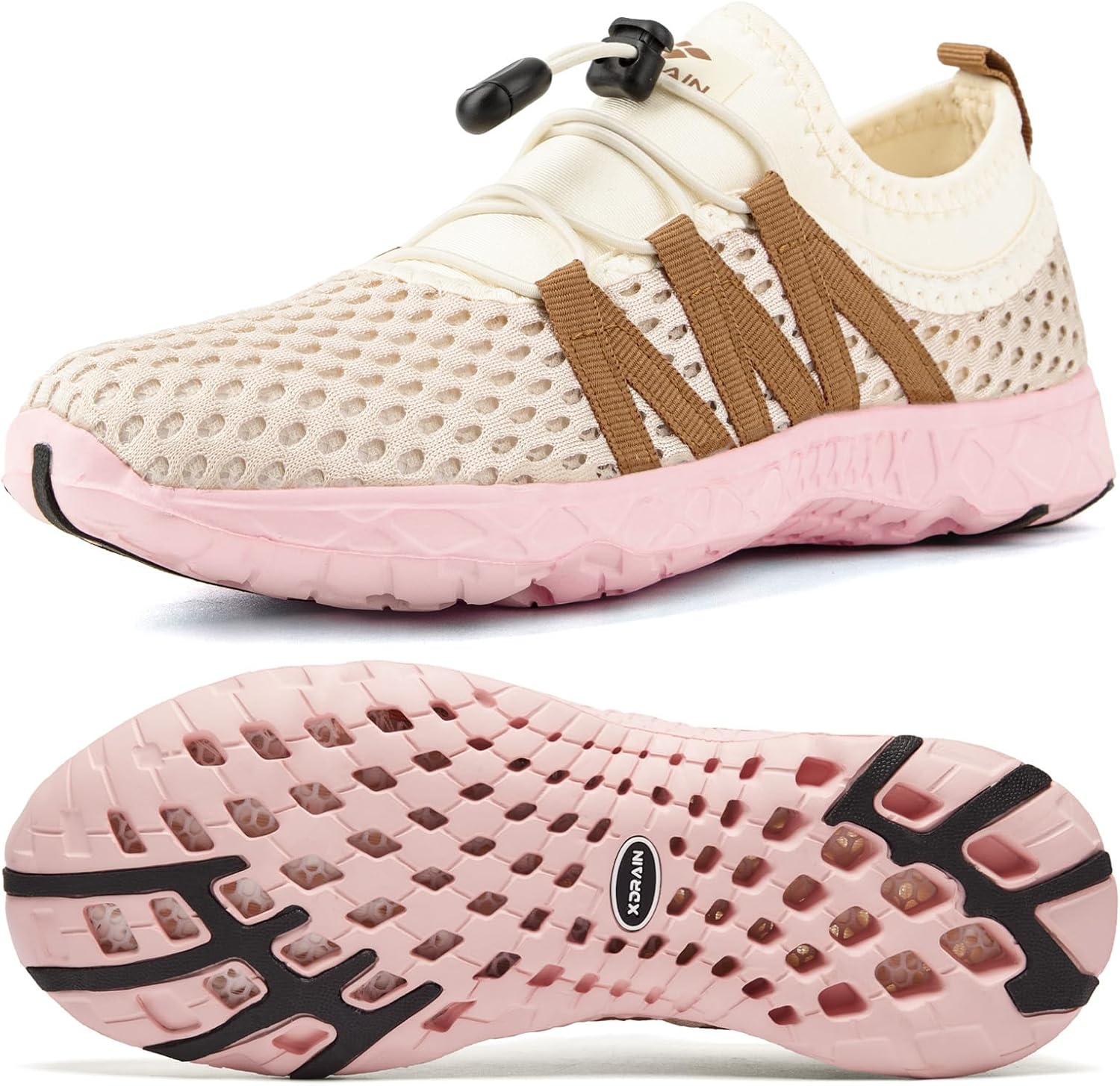 Women’s · ALEADER
Covered water footwear to compare for the activities listed below.
Consider: Check the model’s size chart, closure and outsole before choosing.
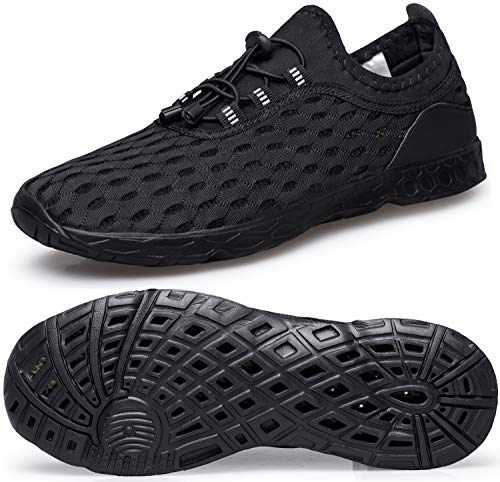 Women’s · DOUSSPRT
Covered water footwear to compare for the activities listed below.
Consider: Check the model’s size chart, closure and outsole before choosing.
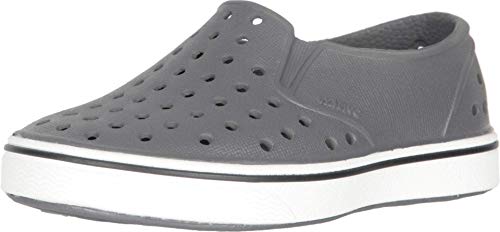 Kids’ · Native Shoes
Covered water footwear to compare for the activities listed below.
Consider: Check the model’s size chart, closure and outsole before choosing.
 Women’s · Speedo
Covered water footwear to compare for the activities listed below.
Consider: Check the model’s size chart, closure and outsole before choosing.
 Women’s · Body Glove
Covered water footwear to compare for the activities listed below.
Consider: Check the model’s size chart, closure and outsole before choosing.
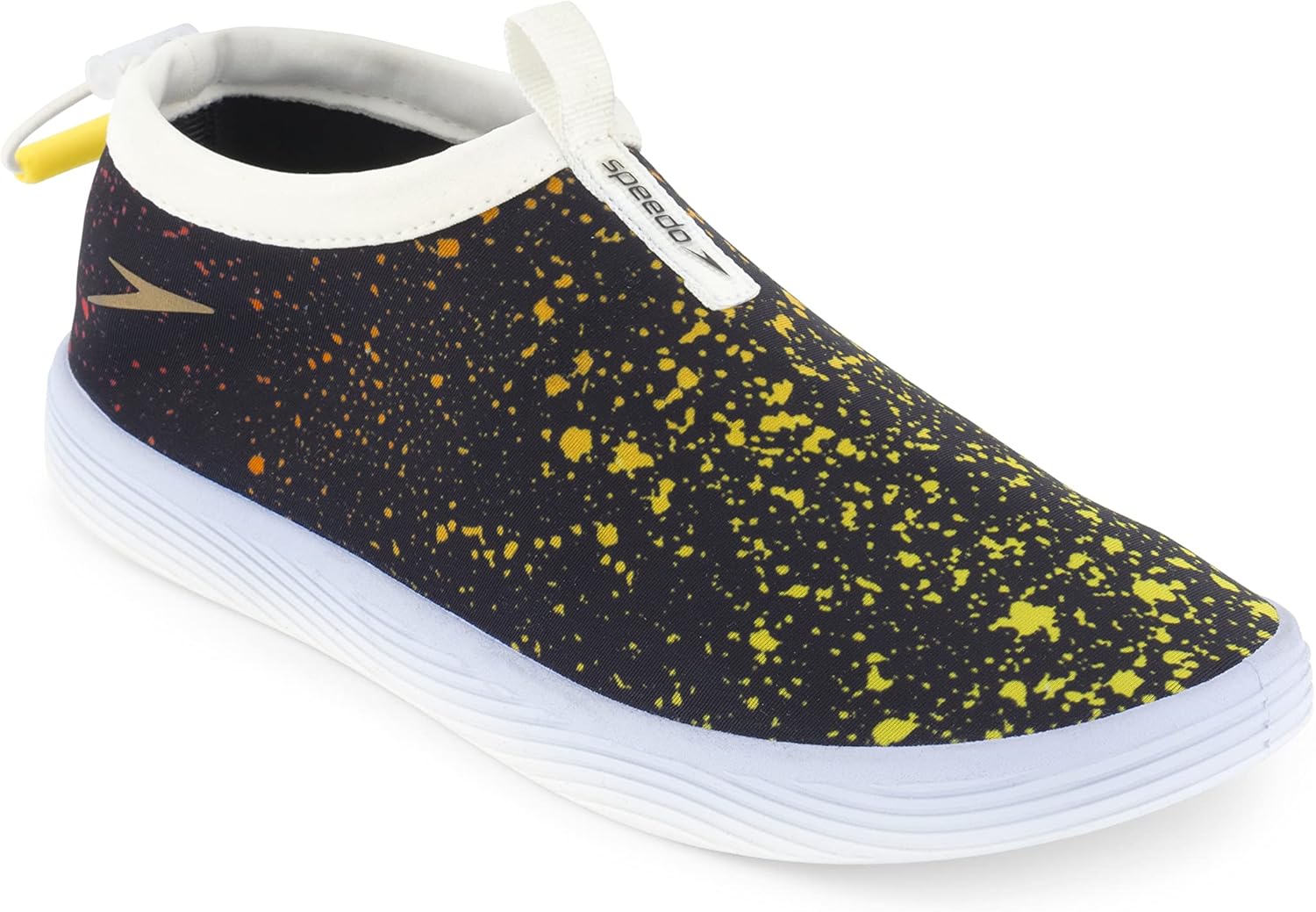 Women’s · Speedo
Covered water footwear to compare for the activities listed below.
Consider: Check the model’s size chart, closure and outsole before choosing.
 Adult unisex · Generic
Covered water footwear to compare for the activities listed below.
Consider: Check the model’s size chart, closure and outsole before choosing.
Unisex listing: check the men’s/women’s size conversion on Amazon.
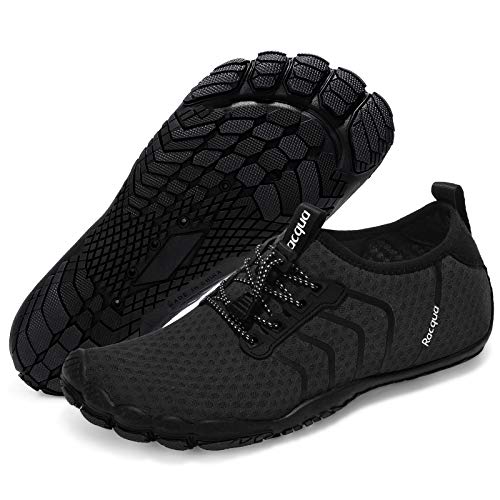 Adult unisex · Racqua
Covered water footwear to compare for the activities listed below.
Consider: Check the model’s size chart, closure and outsole before choosing.
Unisex listing: check the men’s/women’s size conversion on Amazon.
 Men’s · Xero Shoes
Minimalist amphibious shoe for shoppers who already prefer a flexible, low-profile sole.
Consider: Not a cushioned substitute for a hiking boot.
 Adult unisex · SEEKWAY
Covered water footwear to compare for the activities listed below.
Consider: Check the model’s size chart, closure and outsole before choosing.
Unisex listing: check the men’s/women’s size conversion on Amazon.
 Kids’ · Stelle
Covered water footwear to compare for the activities listed below.
Consider: Check the model’s size chart, closure and outsole before choosing.
 Kids’ · Native Shoes
Covered water footwear to compare for the activities listed below.
Consider: Check the model’s size chart, closure and outsole before choosing.
 Adult unisex · Astral
Lace-up water sneaker to compare for paddling and wet approaches.
Consider: Confirm the listing’s adult size conversion before ordering.
Unisex listing: check the men’s/women’s size conversion on Amazon.
 Kids’ · SEEKWAY
Covered water footwear to compare for the activities listed below.
Consider: Check the model’s size chart, closure and outsole before choosing.
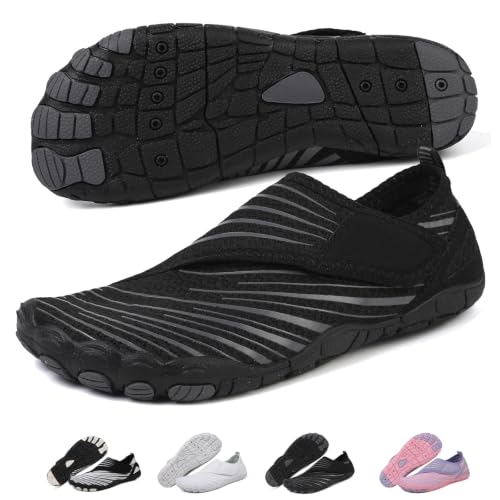 Adult unisex · Biurnyx
Covered water footwear to compare for the activities listed below.
Consider: Check the model’s size chart, closure and outsole before choosing.
Unisex listing: check the men’s/women’s size conversion on Amazon.
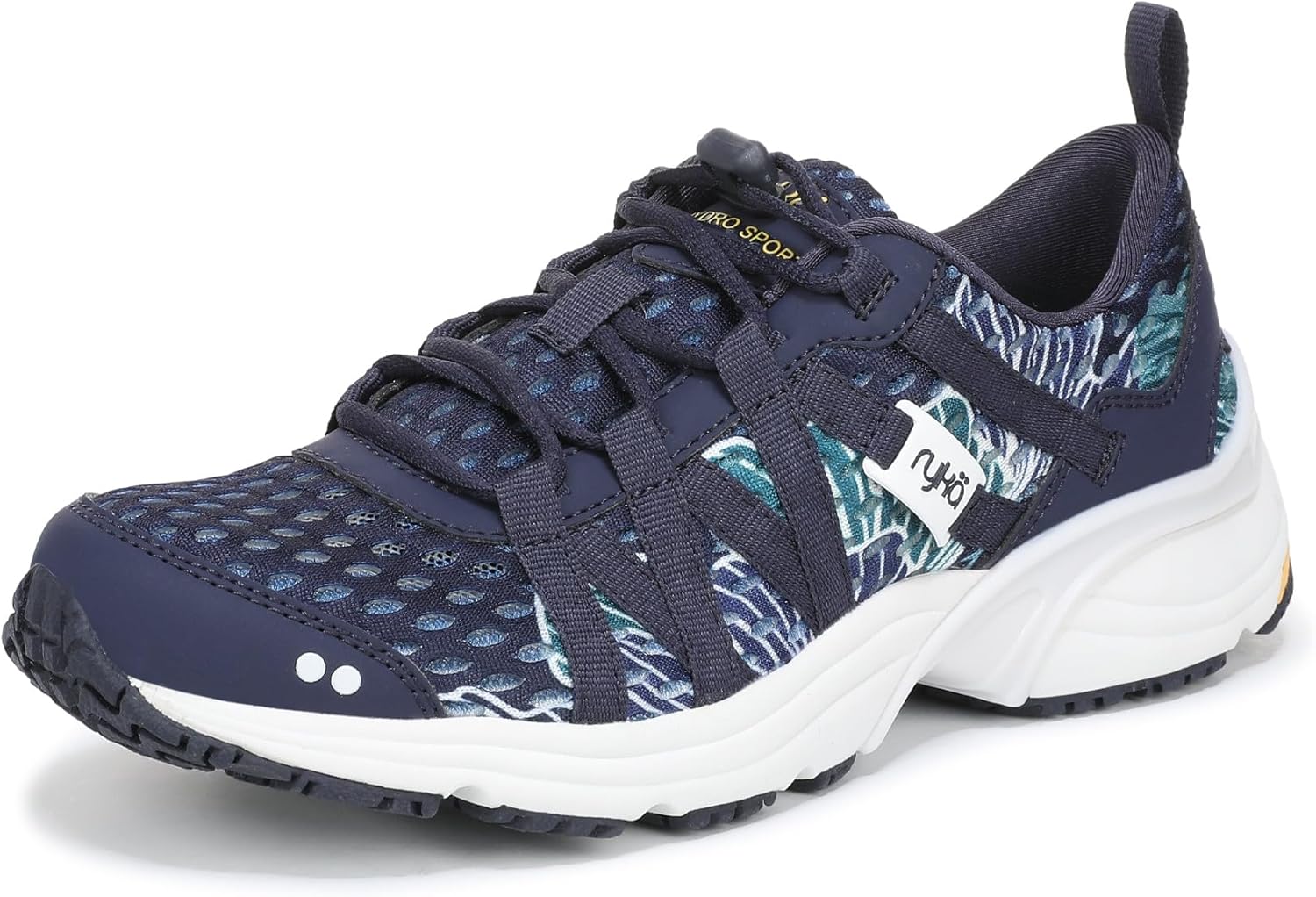 Women’s · Ryka
Water-fitness trainer to compare for pool classes that involve stepping and lateral movement.
Consider: More shoe than a thin swim sock; check class rules and your preferred level of structure.
 Women’s · Astral
Women’s water sneaker for paddling trips that include walking to the launch.
Consider: Check the women’s size chart rather than copying a size from the men’s Brewer.
 Women’s · Columbia
Fishing-oriented footwear for time on the boat and at the dock.
Consider: Choose a lower-bulk design if sustained swimming is the main activity.
 Women’s · Vibram
Five-toe amphibious design for shoppers who prefer individual toe pockets and a minimal feel.
Consider: Each toe must fit its pocket; this shape will not suit every foot.
 Women’s · Merrell
Molded, open-vent water shoe for easy shore access and campsite wear.
Consider: Check heel retention carefully; a loose clog is not a technical paddling shoe.
 Women’s · DLGJPA
Women’s mesh water sneaker for casual pool, beach and vacation use.
Consider: Inspect the drainage openings and fit before using it on rough ground.
 Men’s · Columbia
Drainage-oriented water sneaker for beach outings and short wet-to-dry walks.
Consider: A water sneaker is not automatically suitable for slippery rock or a demanding trail.
 Men’s · Body Glove
Water sneaker with a reinforced toe area to compare for beach launches and kayaking.
Consider: Try its bulk in your boat’s foot space before a long outing.
 Men’s · Speedo
Men’s slip-on water shoe for pool visits and sandy beach days.
Consider: Choose more underfoot protection for sharp stones or a long approach.
 Men’s · Speedo
Knit water shoe offering a different upper construction from the Tidal Cruiser.
Consider: Flexible uppers need a snug, comfortable heel fit to avoid movement when wet.
 Men’s · Columbia
Boat and fishing shoe for anglers who spend more time on deck than swimming.
Consider: Prioritize a swimming-specific design if low drag in the water matters most.
Men’s · MerrellMen’s molded water clog for shore, camp and quick changes.
Consider: A slip-on clog should not be the default choice for current or uneven river walking.
Men’s · DLGJPAMen’s quick-drying mesh water sneaker for casual beach and pool trips.
Consider: Check the exact listing’s measurements; fit cannot be inferred from another brand.
 Men’s · Merrell
Amphibious hiking shoe for routes that alternate dry trail and water crossings.
Consider: More structured than a swim sock; choose it for the walking portion of the trip.
If most of the day is walking, assess dry comfort first. Pay attention to heel hold, forefoot bending, and the amount of material underfoot. If most of the day is spent swimming, a structured sneaker may be more shoe than you want.
For trips with one brief water activity, carrying a lighter second pair can be a reasonable alternative. A single amphibious pair is most useful when repeated transitions make changing shoes inconvenient.
Look for mesh panels, sole openings, or other clearly described drainage features. A breathable-looking upper does not tell you whether water collects beneath the liner. Thick tongues and padded collars also add material that needs to dry.
Check how accessible the interior is. Removable liners can make inspection easier when the maker permits removal, while a wide-opening tongue helps you clear grit. Follow the specific product’s care instructions.
If you plan to wear socks on dry walks, use them during fitting and allow room without loosening the heel. Decide how you will handle those socks during water sessions. Also inspect lace length and how excess cord can be secured. A water sneaker should feel like a workable part of the whole itinerary, not merely look suitable in a product photo.